Music has a positive relationship to brain development since musical experiences are displayed in the brain as multi-modal, involving auditory, visual, cognitive, affective and motor systems.
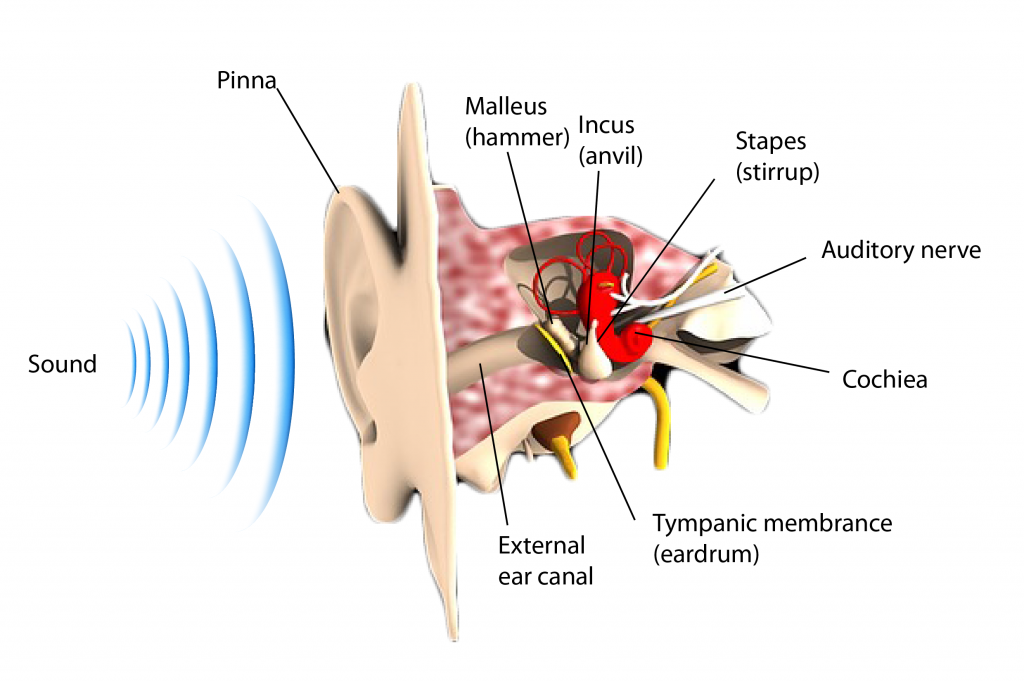
The ear is the first sensory modality to develop. The auditory system is the basic mechanism involved in communication, starting with speech and then progressing to written language.
Infants start to listen and produce sound without distinguishing between music and language, singing and speech.
MUSICAL INSTRUMENTS
When using instruments with a young learner, it must always be the best quality. Playing an instrument develops the “cause and effect.” Instrumental skills to incorporate in the music class can be:
• Striking/tapping
• Shaking/scraping
• Blowing/plucking
MUSIC AND MOVEMENT
Movement stimulates a process of nerve-cell connection and networking that result in learning and thought.
When learners hear music, they express themselves through physical movement. Movement is a very natural medium through which learners can express music concepts.
Many learners with autism, have difficulty with dyspraxia since the lack of motor skills to coordinate movement.
The music educator has to plan ahead and use appropriate strategies to engage with the autistic student in order to make contact through music.
Musical games to distinguish between sounds can be used to develop the auditory discrimination skills of autistic learners together with their motor skills.